

Why GPS Tracking Solutions are Transforming Farms Across Australia

Boosting Farm Efficiency
Incorporating new technology on the farm can significantly enhance operational efficiency. Devices like the Voice Recorder are becoming invaluable tools for monitoring activities remotely, eliminating the need for constant human presence and allowing effective allocation of resources. Such technology is a game-changer, especially in vast areas like those we see around Wagga Wagga. By leveraging automation, farmers can focus on other essential tasks, such as analyzing soil data at the Charles Sturt University agricultural labs or visiting the Riverina Producers' Market for quality seeds and supplies.
Reducing Labor with Automation
Automation reduces the manual workload, allowing farming operations to be streamlined. Incorporating systems that handle tasks like irrigation and fertilization ensures consistent and optimal results. Farmers are relieved from routine monitoring, freeing them to focus on more strategic roles like planning future crops or experimenting with new techniques at demonstration farms near Wagga Wagga.
Optimizing Resource Allocation
Using technologies like a hidden camera on your farm is not just about security; it plays a vital role in understanding how resources are utilized. Monitor machinery, livestock, or crop growth without needing to be physically present, which ensures that resources such as time, labour and materials are optimally allocated.
Enhancing Crop Management
Digital tools provide detailed insights to enhance crop management. By utilizing technologies that offer precise data, farmers can make informed decisions that contribute to higher yields and reduced waste. This approach aligns with modern agricultural practices, combining technology with traditional methods for a more sustainable farming future.
Strengthening Farm Security
Real-Time Asset Monitoring
In the realm of farm operations, securing assets is paramount, especially when operating in somewhat isolated and expansive areas. Utilising a gps tracker can be a game-changer. These devices are adept at ensuring that valuable equipment and vehicles remain accounted for, no matter the distance. I've seen farmers near Wagga Wagga incorporate such technology to keep a vigilant eye on their machinery. It’s a practical solution actively demonstrated in facilities like the Charles Sturt University agricultural labs.
Theft Prevention Measures
Adding to the security arsenal, these technologies act as a deterrent against theft. When meeting with farmers at the Riverina Producers' Market, discussions about asset protection often highlight the ease with which a GPS tracker can notify owners of unauthorized movements. This real-time data transmission can give you peace of mind, knowing your machinery and tools are safeguarded, even when you're not on-site.
Secure Equipment Logistics
Moreover, in managing supply chain logistics, establishing secure pathways for transporting goods and equipment ensures operational continuity. Many local farmers deploy these tracking systems for their logistical needs, especially when navigating between various paddocks and the uncharted terrains around demonstration farms near Wagga Wagga. This strategy not only optimises asset security but also enhances logistical precision, thereby preventing delays and reducing the risk of loss.
Environmental Benefits
Sustainable Land Usage
From my perspective as an experienced agricultural professional in the heart of Wagga Wagga, it's essential to understand the significant environmental benefits that modern technology provides, particularly in sustainable land usage. Utilizing innovative tools not only elevates agricultural practices but also ensures sustainability. For instance, adopting technology for water conservation and soil health management helps maintain the productivity of our demonstration farms near Wagga Wagga while preserving natural resources.
Minimizing Environmental Impact
Harnessing technology to minimize environmental impact is increasingly crucial. One practical example is implementing a car tracker for efficient farm logistics. This can reduce unnecessary trips and fuel usage, significantly cutting down farm emissions. Tools like these are not just technological gadgets; they're impactful in creating responsible farming systems that align with environmental goals.
Precise Water Management
Precise water management is another area where innovative technology can make a real difference. With devices that offer accurate irrigation techniques, we can conserve water usage, enhancing crop yield without depleting local water sources. This is essential in areas where water scarcity might challenge traditional practices, thus promoting more sustainable agriculture.
By incorporating advanced technology into our farming strategies, we're ensuring the sustainability and efficiency of agricultural practices, benefiting both the environment and local communities. The support and ongoing research from institutions like the Charles Sturt University agricultural labs further amplify these efforts, empowering us to adapt and thrive in constantly changing conditions.
Technology Integration
GPS with Drones
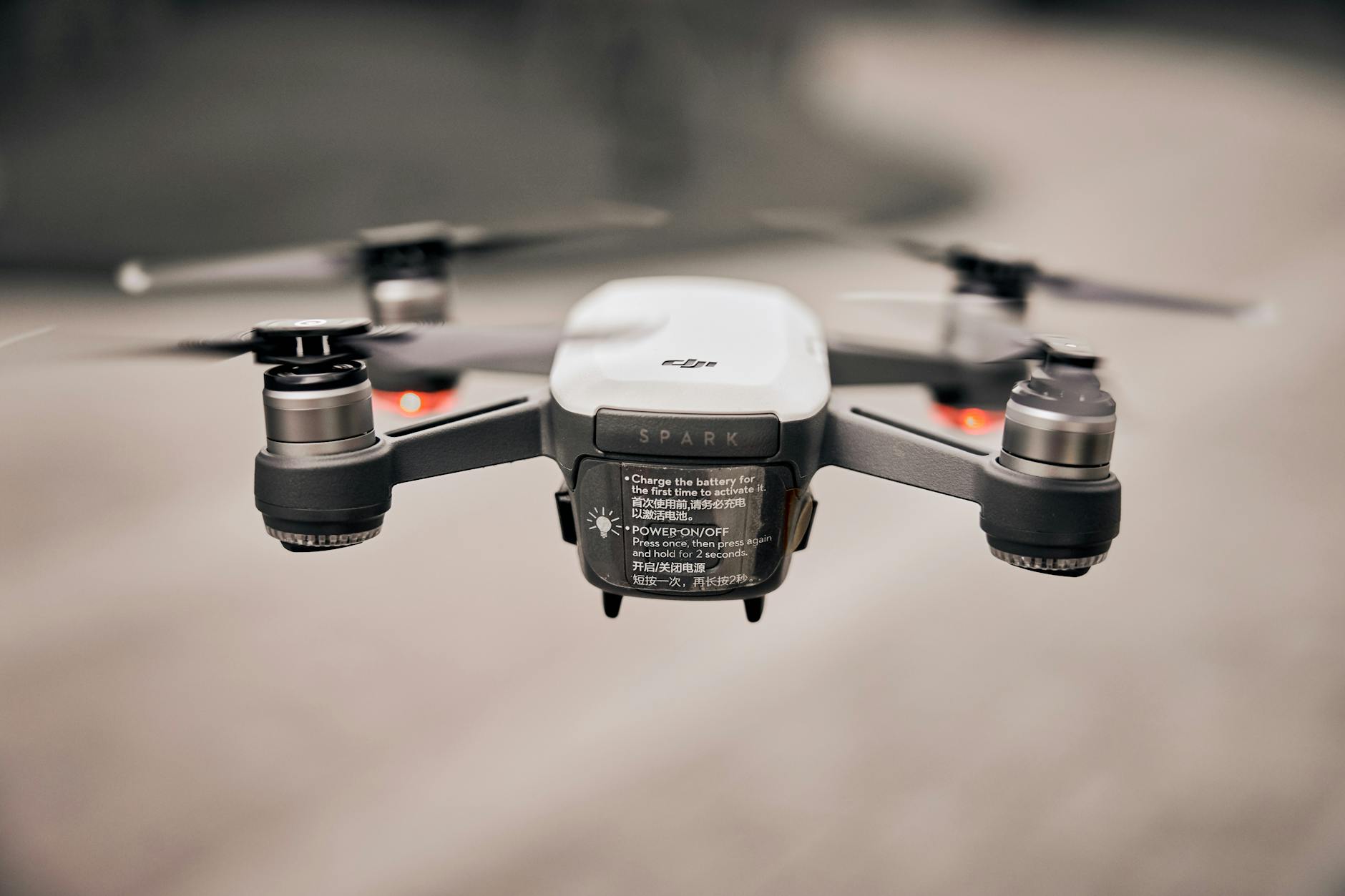
In the world of agriculture, integrating GPS technology with drones is revolutionising the way we monitor and manage our farming activities. These drones, equipped with advanced sensors, provide high-resolution images that enable precise field mapping and crop health monitoring. This integration allows farmers to identify areas that may require attention, such as pest infestations or uneven water distribution. The result? Enhanced productivity and informed resource allocation.
Data-Driven Decision Making
Farming decisions can now be made with a level of precision unimaginable just a few years ago. Thanks to data-driven approaches, actionable insights are derived from a plethora of sources, including satellite imagery, soil sensors, and weather forecasts. Harnessing this data means less guesswork and more informed planning. Farmers aware of these innovations can make confident choices that improve yield and efficiency while reducing waste.
Compatibility with Existing Tools
Ensuring new technologies complement existing systems is crucial for seamless farm operation. A car tracking device, for example, can be effortlessly integrated with farm vehicles to ensure their precise location at all times. Compatibility between new and old technologies is vital to maximise the return on investment and maintain smooth daily operations. These advancements allow farmers to focus on what they do best, knowing their tools work harmoniously.
Agricultural professionals, especially from regions like the demonstration farms near Wagga Wagga, see the real-world impact of these technologies in practice. Such integration not only bolsters farm productivity but also empowers farmers to remain competitive in a dynamic marketplace.
Tackling Farm Challenges Head-On
Navigating Technical Hurdles
Living in Wagga Wagga and working with technology on the farm isn't always smooth sailing. Integrating advanced systems into your daily operations can feel like a major undertaking, especially if you're used to traditional methods. But remember, at the Charles Sturt University agricultural labs, researchers regularly find practical solutions to technical problems faced by local farmers. By attending sessions there, you can turn potentially intimidating systems into comprehensible tools ready for use on your farm. They’ve examples showing how others have successfully adopted automation and GPS technologies, easing those first steps toward modern tech.
Surmounting Connectivity Issues
When you're out in the back paddocks of the Riverina, reliable connectivity can be as elusive as rain in a drought. However, addressing connectivity issues is critical for using tools like GPS with drones effectively. Consider discussing your needs with local providers experienced with our terrain. They might advise installing signal boosters that work across the fields surrounding the Riverina Producers' Market. Consistent connectivity is vital to keep your drones gps systems running smoothly, allowing you to make informed choices in real-time, boosting productivity.
Safeguarding Data Privacy and Security
Lastly, it's essential to ensure your data remains secure and private as you step into this tech realm. Learn from a session at those demonstration farms near Wagga Wagga where they cover practical ways to protect farm data through secure networks and software updates. Take inspiration from seasoned pros who’ve implemented robust security measures while scaling up their utilisation of digital tools. Strong data privacy protocols mean you can confidently make the shift, knowing your farm’s information is well-guarded.